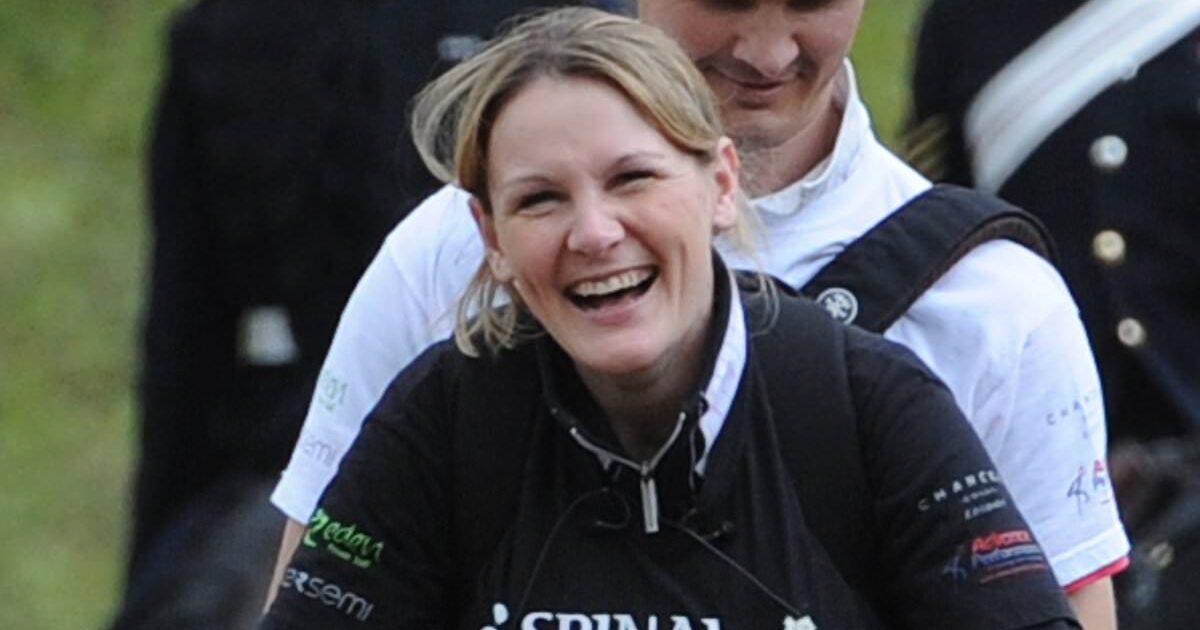
An inquest is examining the death of a well-known charity campaigner who was reportedly filming a segment for a streaming series when the small aircraft she was piloting crashed in Jordan. The case has drawn attention because it involves a high-profile participant, a major technology platform's content project, and a chain of decisions made by a production company operating far from home.
While the specific investigation is ongoing overseas, the questions it raises are ones that come up regularly in the United States whenever someone is seriously hurt or killed during commercial filming, adventure travel, or a promotional stunt. This explainer walks through those questions in general terms.
What Happened
According to reports of the inquest testimony, a paraplegic athlete and motivational speaker in her forties died several weeks after her microlight aircraft reportedly veered off a runway and struck a large rock during a landing attempt in Jordan. She had been taking part in filming for an episodic series being produced for a major technology company's virtual reality headset.
Witnesses reportedly told the coroner that the participant was an experienced, licensed pilot who used a specially adapted aircraft, that test flights had been carried out beforehand, and that weather conditions on the day were described as within normal limits. A previous flight had reportedly been called off because of stronger winds. The participant was taken to a hospital in critical condition after the crash and later died from complications, including an infection, roughly five weeks later.
The inquest is not a trial. It is a fact-finding process about how the person died. No civil lawsuit or criminal charge has been reported.
Why It Matters Legally
Cases involving on-camera injuries or deaths sit at the intersection of several legal fields. Even though this incident happened abroad, the same categories of law would likely be examined if a similar event occurred in the United States:
- Negligence law. Did the people organizing the shoot take reasonable care to protect the participant? Reasonable care is generally judged by what a careful production team in the same situation would have done.
- Workplace and occupational safety law. When someone is paid or contracted to appear on camera, they may be treated as a worker for safety purposes, which can trigger obligations for the production company.
- Contract and waiver law. Participants in risky filming often sign releases. Whether a release actually shields a producer is a fact-specific question, and many jurisdictions refuse to enforce waivers that try to excuse reckless or grossly negligent conduct.
- Product-related duties. If specialized equipment — such as an adapted aircraft or a camera rig — contributed to the incident, its designer or installer may face scrutiny.
- Cross-border and jurisdictional issues. When a U.S.-connected company films overseas, questions can arise about which country's law applies and where a lawsuit can be brought.
Who Could Be Affected
Cases with this shape can touch a surprisingly wide group of people. In general, the following categories may have potential legal interests when someone is hurt or killed during a commercial production:
- On-camera talent and stunt performers, including athletes and hobbyists recruited for their expertise.
- Crew members who work on set and may be exposed to the same hazards.
- Contractors and vendors, such as local pilots, drivers, or equipment operators hired to support the shoot.
- Family members and dependents of anyone killed during production, who may have wrongful-death or survivorship claims under the laws of the relevant jurisdiction.
- Consumers and viewers, in narrower situations where a product tied to the production — for example, equipment sold to the public — is later alleged to be unsafe.
How Cases Like This Generally Work
When a personal-injury or wrongful-death lawyer is asked to look at an incident that happened during filming, they typically start with a few core questions.
Who was in charge of safety? Lawyers generally look for a written safety plan, a designated safety officer, risk assessments, and evidence of how the risk of the specific activity was evaluated. Weather logs, equipment inspection records, and pre-flight or pre-shoot checklists often matter.
What did the participant know and agree to? Waivers, appearance releases, and insurance certificates are usually pulled early. So are communications showing what the participant was told about the risks — and any reported hesitation before the event.
Was there a deviation from industry norms? Producers, aviation operators, and stunt coordinators generally follow published guidelines. When a case goes to court, experts often testify about whether the crew followed those norms.
What role did equipment play? If adapted machinery or a camera rig may have contributed, investigators look at design, installation, weight, and testing history. Even small changes to a vehicle or aircraft can raise product-related questions.
Timelines. In the U.S., personal-injury and wrongful-death claims are subject to statutes of limitation that vary by state and by the type of claim — often between one and several years. Cross-border incidents can involve shorter foreign deadlines or special notice requirements, so families are generally advised to speak with counsel early rather than waiting.
Evidence preservation. Footage, drone data, GPS logs, black-box or flight data, and internal production emails are often central. Lawyers frequently send preservation letters quickly to make sure this material is not lost or overwritten.
What to Watch Next
Readers following this story — or a similar one in the U.S. — may want to watch for several developments:
- The coroner's or investigator's findings, which can shape what any civil case looks like.
- Aviation or workplace safety reports from the relevant government agency.
- Any civil filings by the family, which would generally name the production company and possibly the commissioning platform, equipment providers, or local operators.
- Insurance-driven settlements, which are common in on-set fatality cases and may resolve claims before a public trial.
- Industry response, such as updated safety protocols for filming with disabled athletes, adaptive equipment, or overseas locations.