What Happened
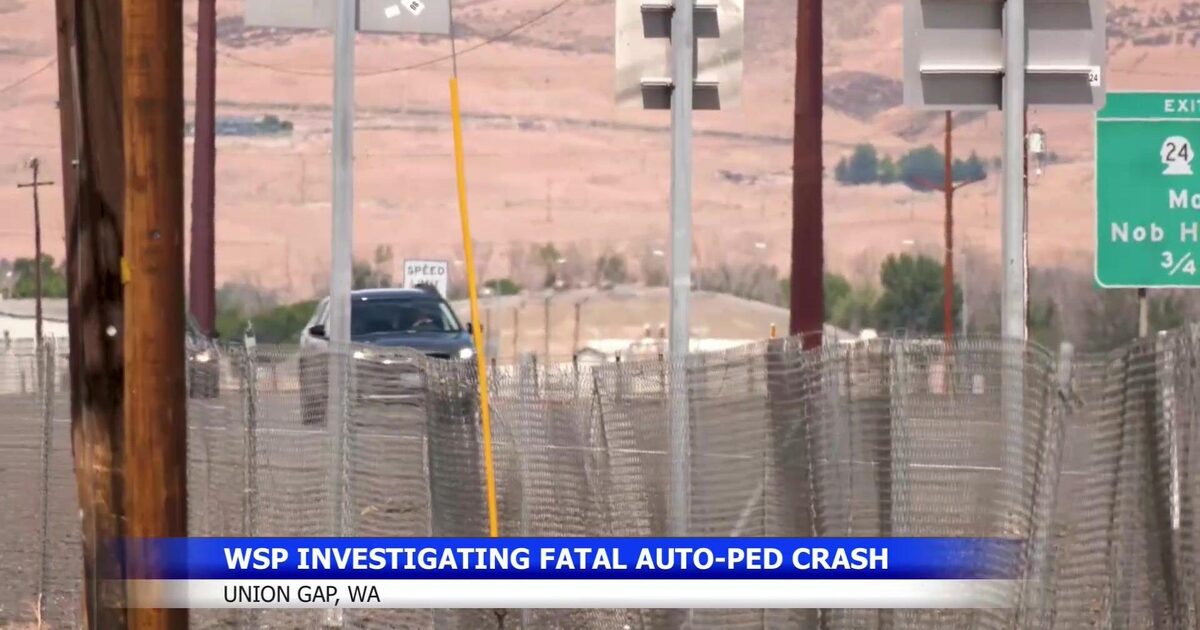
According to reports from Washington State Patrol, a woman was struck and killed by a semi-truck late on a Saturday night in June 2026 on Interstate 82 near the Valley Mall Boulevard exit in Union Gap, Washington. Troopers reportedly said the woman had been standing in the merging lanes before crossing into westbound traffic. She was not identified at the time of the initial reporting.
The driver of the semi, described in reports as a man in his early 40s from the Covington area, was reportedly not hurt. Investigators on scene reportedly determined the driver was not impaired, and Washington State Patrol stated no criminal charges would be filed.
Officials noted that a similar fatal pedestrian crash reportedly occurred about two months earlier on the same stretch of I-82, roughly three miles east near the Yakima Avenue exit, also involving a semi-truck.
Why It Matters Legally
Even when law enforcement decides not to bring criminal charges, a fatal crash can still raise questions in several areas of civil law. In plain English, criminal law asks whether someone broke a law the government can punish. Civil law asks whether someone should pay money to make things right for a person or family who was harmed. Those are two different questions with two different standards of proof.
Crashes involving commercial trucks generally sit at the intersection of several legal topics: personal injury, wrongful death, commercial motor vehicle regulations, and sometimes road design or premises safety. Federal rules govern how long truck drivers can be on the road, how their vehicles must be maintained, and what records must be kept. State traffic laws also apply to both drivers and pedestrians.
When two similar incidents happen in the same area within a short period, lawyers and safety advocates may also start asking broader questions — such as whether lighting, signage, fencing, or the layout of on-ramps could be contributing factors.
Who Could Be Affected
Several categories of people may find stories like this legally relevant to their own situations:
- Families of pedestrians killed or seriously hurt in traffic crashes, who may have questions about wrongful death claims.
- Drivers of commercial vehicles who are involved in crashes that were not their fault but who still face investigations, insurance reviews, and potential civil claims.
- Trucking companies and their insurers, who are often named alongside drivers in civil suits because of legal doctrines that hold employers responsible for on-the-job conduct.
- Other motorists who witnessed the incident or were affected by traffic closures and may be asked to give statements.
- Nearby property owners or municipalities, if questions arise about road design, lighting, or pedestrian access near highway on-ramps.
How Cases Like This Generally Work
In a typical fatal pedestrian crash, a civil case — if one is ever filed — generally begins with an investigation that runs parallel to, but separate from, the police investigation. A lawyer looking at a case like this would generally start by trying to preserve evidence quickly, because commercial trucks often carry electronic data that can be overwritten or lost.
Evidence that typically matters includes:
- Electronic control module (ECM) or "black box" data from the truck, which may show speed, braking, and steering inputs before impact.
- Dashcam and traffic camera footage, if available.
- Driver logs and hours-of-service records, which are required for most commercial drivers under federal rules.
- Maintenance and inspection records for the truck and trailer.
- Toxicology and medical records, even when initial on-scene assessments suggest no impairment.
- Roadway conditions, including lighting, signage, weather, and visibility at the time of the crash.
- Witness statements and any 911 audio.
Washington also follows a pure comparative fault rule. In plain terms, that means a jury can assign a percentage of responsibility to more than one party, and a recovery can be reduced by the injured person's share of fault — but is not automatically wiped out. So even in a case where a pedestrian was reportedly in the roadway, civil liability is not always all-or-nothing.
Finally, when a commercial driver is involved, the driver's employer may share legal responsibility under a doctrine generally called respondeat superior — a Latin phrase that basically means an employer can be on the hook for what an employee does while doing their job.
What to Watch Next
Readers following stories like this can generally expect a few possible developments in the weeks and months after the initial reporting:
- Identification of the pedestrian by the medical examiner's office, once next of kin have been notified.
- Updates from Washington State Patrol if new information changes the initial no-charges decision.
- Any civil filings by the family in state court, which typically become public record.
- Safety reviews by the state Department of Transportation, particularly given that two similar fatal crashes reportedly occurred in the same corridor within a short period.
- Federal Motor Carrier Safety Administration activity, if regulators decide to review the trucking company's compliance record.