What Happened
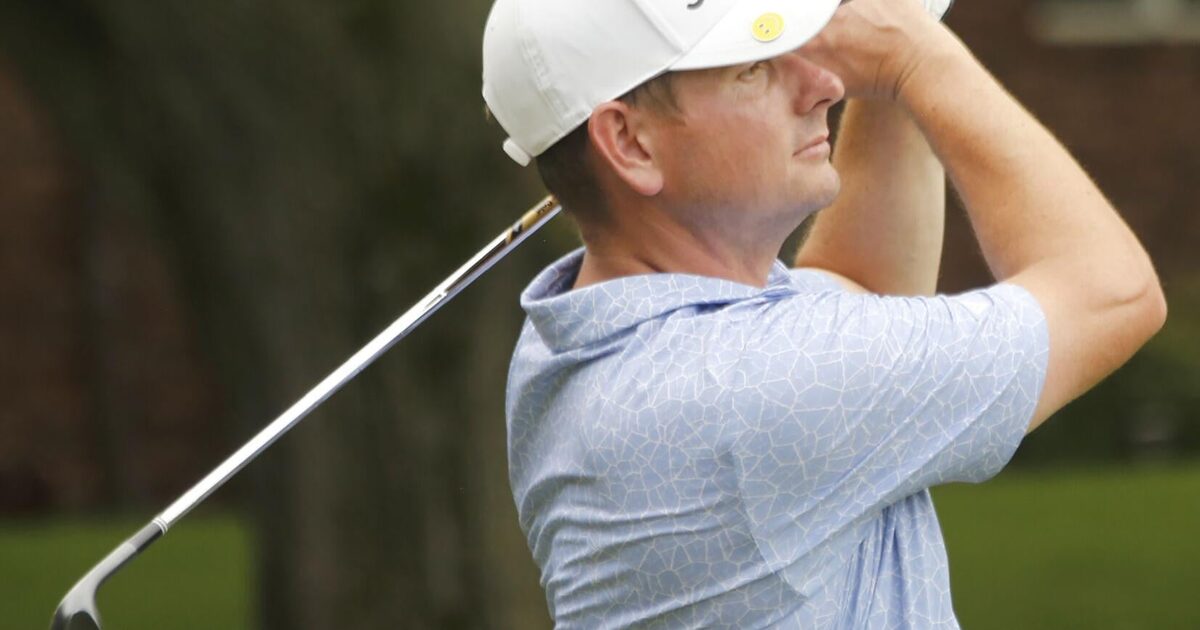
A men's city golf tournament in western Iowa reportedly wrapped up its 45-hole championship on a Sunday when the heat index climbed to roughly 115 degrees. According to local reporting, competitors played through the extreme conditions by using cooling towels, ice, and shade breaks between holes. The eventual winner reportedly overtook a field that included a longtime local champion who is working his way back after prior back injuries.
On its face, this is a sports story. But events like this — outdoor competitions held on days of dangerous heat, run by community organizations, hosted at private clubs, and backed by local business sponsors — sit on top of a quiet layer of business and corporate law. When something goes wrong at an event like this, disputes can move quickly from the fairway into a courtroom or a mediation session.
This explainer walks through, in general terms, why lawyers pay attention to extreme-heat outdoor events, who could be affected if something goes sideways, and how these cases typically take shape.
Why It Matters Legally
A tournament played through a 115-degree heat index touches several corners of business law at once. Organizers are generally operating under a set of contracts: venue rental agreements, sponsorship deals, entry forms, and insurance policies. Each of those documents can matter if a participant, spectator, or worker is later harmed and looks to recover losses.
Business litigation in this space often centers on three questions. First, did the organizing entity — often a nonprofit, club, or business association — meet a reasonable standard of care under the circumstances? Second, do the signed waivers and entry documents actually cover what happened? And third, who among the many parties involved (host venue, sponsors, event manager, medical vendor) is contractually on the hook if a claim is filed?
When those questions overlap with state-specific rules on liability waivers, employer duties, and insurance coverage, the situation can generate real disputes even when everyone involved acted in good faith.
Who Could Be Affected
Several categories of people and organizations could find themselves connected to a legal claim following an extreme-heat event:
- Participants and their families. Someone who reportedly suffered a heat-related medical episode may have questions about what the entry waiver actually covers.
- Employees and volunteers. Staff working the event — from course marshals to concession workers — are generally covered by workers' compensation rules that vary state by state.
- Host venues. Private clubs, municipal facilities, and other property owners may face premises-liability questions if conditions were arguably unsafe.
- Sponsors and title businesses. Companies whose names appear on the event may be pulled into disputes based on sponsorship contracts, even when they had no operational role.
- Event organizers and boards. Volunteer boards that run community tournaments can face director-and-officer questions if a lawsuit is filed against the organizing entity.
- Insurers. Coverage disputes are common after any high-profile incident, and insurers may take positions on whether a policy applies.
How Cases Like This Generally Work
Business litigation arising from an outdoor event usually starts long before a lawsuit is filed. Typically, an incident report is generated, insurance carriers are put on notice, and the parties exchange initial information. If negotiations do not resolve the matter, a civil complaint may follow.
Early on, lawyers generally focus on the paper trail. That includes:
- The entry form and waiver. Courts across different states treat waivers differently. Some enforce them broadly; others narrow them significantly, particularly where gross negligence is alleged.
- The venue and sponsorship contracts. These documents typically contain indemnification clauses that shift risk between the parties. A sponsor that never touched the operations of the event may still be responsible under contract, or may be protected by one.
- Insurance policies. General liability, event-specific policies, and umbrella coverage can all come into play. Coverage disputes are a common secondary litigation track.
- Safety planning documentation. Heat action plans, medical staffing arrangements, water and shade availability, and any communications warning participants about conditions are typically front-and-center evidence.
Settlement is common in this space. Full trials are the exception, not the rule, because both sides usually have reasons to avoid the cost and uncertainty of a jury verdict.
What to Watch Next
For readers following outdoor-event stories generally, a few things are worth watching in follow-up coverage:
- Regulatory guidance. State occupational safety agencies and, at the federal level, OSHA have been paying growing attention to heat-related workplace risks. New rules or enforcement guidance could reshape organizer duties.
- Insurance market shifts. Event organizers may see premiums and exclusions change as insurers reassess extreme-weather risk.
- Waiver enforcement rulings. Appellate courts in various states periodically issue decisions that either strengthen or weaken participant waivers. These rulings can ripple across the events industry.
- Sponsor disclosures. Publicly traded sponsors sometimes disclose event-related litigation in securities filings, which can be an early signal of a dispute.
Frequently Asked Questions
Can an outdoor event be legally held during a dangerous heat index?
Generally, yes. There is usually no blanket law that cancels outdoor events at a specific temperature. Organizers are, however, typically expected to take reasonable precautions such as hydration stations, medical staffing, and clear communications. What counts as reasonable can depend on state law and the nature of the event.
Do liability waivers actually protect event organizers?
Waivers may offer meaningful protection, but they are not bulletproof. Courts in different states apply different standards, and waivers generally do not shield an organizer from claims involving gross negligence or reckless conduct. The specific wording of the waiver and the jurisdiction usually drive the outcome.
Can a sponsor be sued if it had nothing to do with running the event?
Potentially. Sponsors are sometimes named in lawsuits based on the theory that their branding created an appearance of involvement, or under indemnification and contract terms. Whether such claims succeed generally depends on the sponsorship agreement and the facts of the case.
Are event volunteers covered like employees if they get hurt?
It depends. Workers' compensation coverage for volunteers varies significantly by state and by the type of organizing entity. Some states extend coverage to nonprofit volunteers in limited circumstances; others do not. Volunteers may also have general negligence claims separate from any workers' comp analysis.
What role does insurance play in a business dispute after an event incident?
Insurance often drives the entire process. Carriers typically decide early whether coverage applies, and their position can shape whether a claim settles quickly or turns into extended litigation. Disputes between an insured business and its own insurer are a common secondary layer.
How long does someone generally have to bring a claim?
Deadlines vary by state and by the type of claim. Negligence and contract claims often have multi-year windows, but claims against public or municipal venues can require notice within just a few months. Because these deadlines are strict, timing questions are usually addressed early.
What kinds of evidence tend to matter most in these disputes?
Contemporaneous documents generally carry the most weight: incident reports, safety plans, weather forecasts on file, participant communications, and contracts among the parties. Witness accounts matter too, but paper and digital records usually anchor the case.
Is this the kind of case that usually goes to trial?
Generally not. Most business-side disputes arising from event incidents resolve through negotiation, mediation, or arbitration. Trials do happen, but they are the exception, particularly where insurance coverage is available on both sides.