What Happened
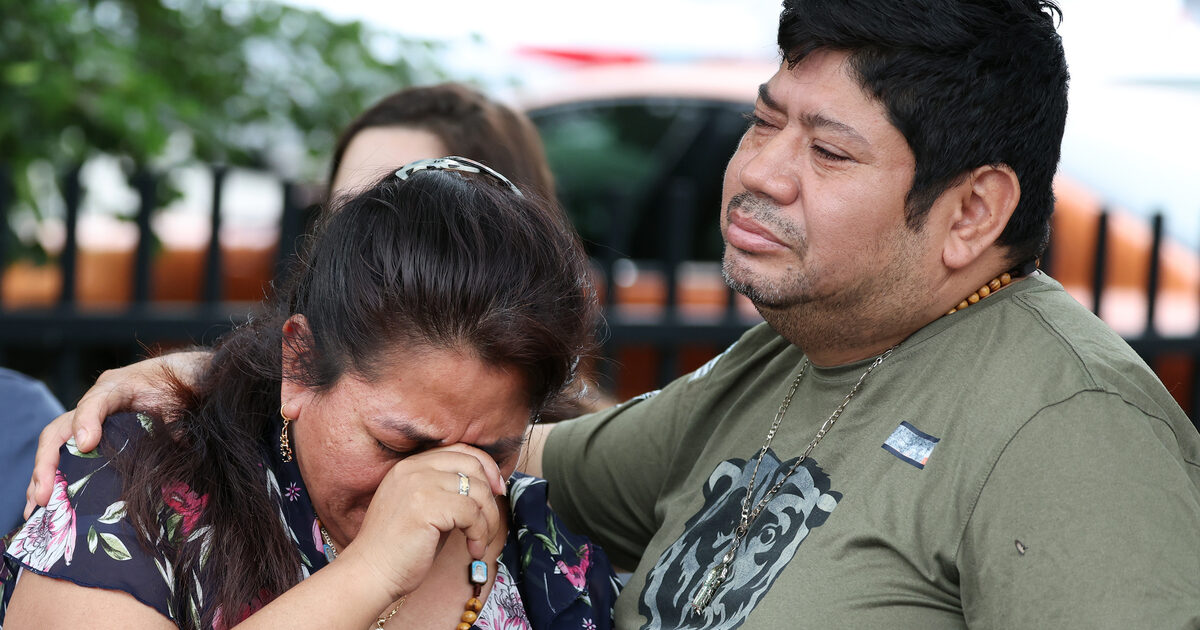
A 16-year-old high school student in Chicago was reportedly killed on a Monday afternoon after the shared electric scooter he was riding collided with a semi truck on a busy stretch of North Western Avenue. According to local reporting, the teen was heading home from a shift at his new job when the crash occurred around 3:30 p.m. He was taken to a nearby hospital and pronounced dead.
News accounts describe the crash site as an arterial road without a dedicated bike lane. The teen is at least the third young person reported to have died on an e-scooter in the city this year. His death has renewed public attention on the safety of shared micromobility devices, particularly for teenagers, and comes as Illinois lawmakers have reportedly passed new legislation to regulate e-bikes and e-scooters statewide. That bill was awaiting the governor's signature at the time of reporting.
Medical professionals quoted in coverage said emergency rooms are seeing a steep rise in serious e-scooter injuries, especially among boys under 18. Injuries can reportedly range from concussions and traumatic brain injuries to internal organ damage caused by handlebars, and in some cases, riders are struck by other vehicles after being thrown into the roadway.
Why It Matters Legally
A crash like this touches several different areas of personal injury law at once. Even though the event happens in seconds, the legal analysis can involve multiple layers of potential responsibility.
At the most basic level, any collision between a vehicle and a vulnerable road user raises questions about negligence — did the driver of the truck operate it with reasonable care, and did the scooter rider follow the rules of the road? But e-scooter cases often go further than a typical car-versus-pedestrian claim. They can also involve product liability (was the scooter itself safe and properly maintained?), premises or roadway design questions (did the government body responsible for the street create or ignore a known danger?), and regulatory compliance (were age, speed, or licensing rules being followed?).
Cases involving minors add another layer. When a child is seriously injured or killed, the legal claim generally belongs to the parents or the estate, not the child, and specific state statutes control who can sue and for what.
Who Could Be Affected
Situations similar to this one could create potential legal exposure — or potential claims — for several categories of people:
- Families of injured or deceased riders. Parents, spouses, or estates may generally have wrongful death or survival claims when a loved one is killed on a scooter or bike.
- Riders who survive serious crashes. People who suffer traumatic brain injuries, spinal injuries, or internal injuries may have claims against drivers, scooter operators, or other parties.
- Drivers involved in collisions with micromobility users. Truck and car drivers can face civil claims (and sometimes criminal charges) even when the scooter rider was partly at fault.
- Pedestrians and bystanders. People struck by e-scooters on sidewalks or paths may generally pursue claims against the rider, and sometimes against the company that rented the device.
- Employers of commercial drivers. When a commercial vehicle is involved, the company that owns the truck or employs the driver is often named alongside the driver under standard employer-liability rules.
How Cases Like This Generally Work
When a personal injury attorney reviews a serious e-scooter crash, the first task is usually to figure out who all the potentially responsible parties are. That list is often longer than people expect. In a truck-versus-scooter collision, it could include the truck driver, the trucking company, the scooter rental company, the manufacturer of the scooter, and — in some cases — a government entity responsible for road design or maintenance.
Evidence gathering typically starts fast. Lawyers often look for:
- Police crash reports and any traffic camera or nearby security footage
- Data from the scooter itself (many shared scooters record speed, GPS, and ride history)
- Truck black-box or telematics data, driver logs, and maintenance records
- Witness statements taken while memories are fresh
- Photographs of the scene, road markings, and any missing or damaged infrastructure
- Medical records documenting the full scope of injuries
Comparative fault rules also matter. Most states reduce a plaintiff's recovery based on their share of responsibility, and some bar recovery entirely if the injured person is found more than 50% at fault. Whether a rider was wearing a helmet, using a bike lane when available, or riding at a safe speed can all become issues.
Finally, timing is critical. Statutes of limitations for personal injury and wrongful death claims vary by state and can be shorter when a government entity is involved — sometimes requiring formal notice within just a few months.
What to Watch Next
In the days and weeks after a crash like this, follow-up reporting or public records may show:
- Findings from the police investigation, including whether any citations or charges are issued against the driver
- Any statement from the scooter operator about the device, the ride, or its safety practices
- Whether the family files a civil lawsuit, and against whom
- Action by the state — in this case, whether the pending e-scooter and e-bike legislation is signed into law and how it changes rider age limits, speed caps, and licensing
- Local policy debates about bike lane expansion or protected infrastructure on high-traffic corridors
- Broader federal or state safety reviews if the crash is part of a larger trend of youth e-scooter deaths