What Happened
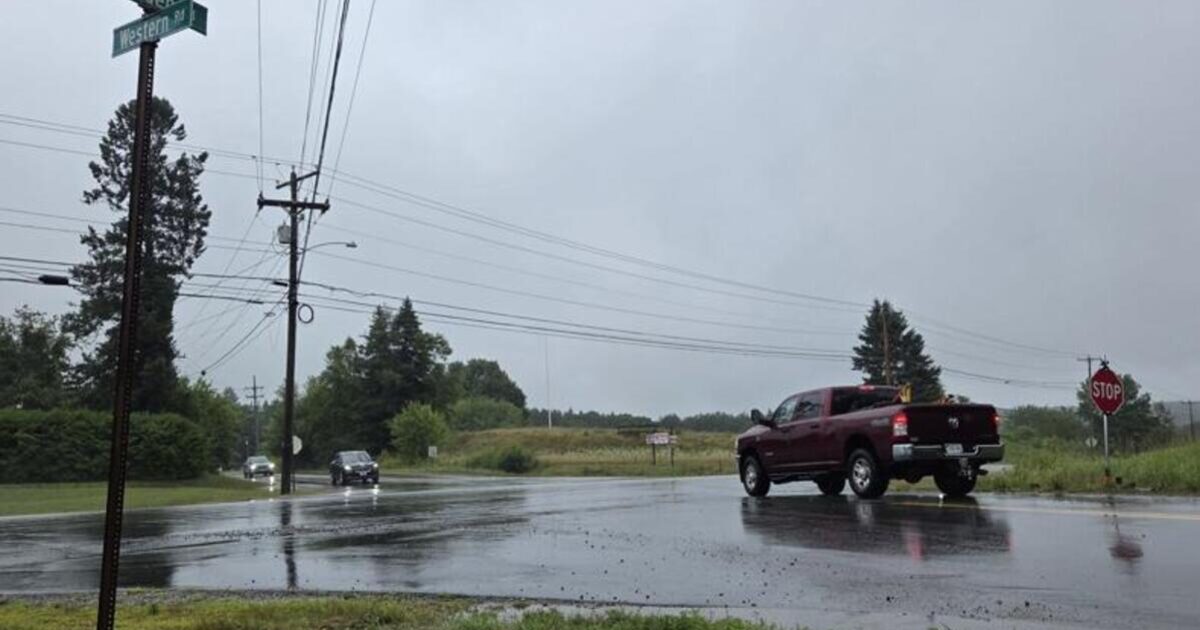
According to reports out of midcoast Maine, a fatal crash recently occurred at an intersection along Route 90 and Western Road in the town of Warren. Local coverage indicates this particular junction has reportedly seen a pattern of serious collisions over the years, which is why the latest incident is drawing broader attention beyond a single tragic wreck.
Details on exactly what caused the crash, who was involved, and whether any commercial vehicles or business operations played a role have not been fully confirmed in public reporting available to us. What is clear is that community members and officials are once again asking whether the intersection itself — its layout, sightlines, signage, or traffic controls — may be contributing to the pattern.
We are not naming the people involved. Our focus here is on what a case like this generally looks like from a legal standpoint, not on assigning blame in any specific incident.
Why It Matters Legally
A deadly crash at an intersection with a documented crash history is legally interesting because it can touch several areas of law at once:
- Personal injury and wrongful death law, which governs claims by injured people or by the families of those killed.
- Business and commercial liability, if any of the vehicles involved were operated for a company, if a commercial driver was on the clock, or if a nearby business's operations affected the roadway.
- Government and municipal liability, when a public agency is responsible for road design, maintenance, or signage.
- Insurance law, because multiple policies — personal auto, commercial auto, umbrella, and sometimes uninsured motorist coverage — may come into play.
Who Could Be Affected
In situations like the one reported, several categories of people could potentially have legal interests at stake if something similar happened to them:
- Surviving family members of someone killed in a crash, who may have wrongful death or survival claims under state law.
- Injured drivers and passengers, including those in other vehicles that were struck.
- Commercial drivers who were working at the time of a collision, whose employers' insurance and workers' compensation coverage may be relevant.
- Small business owners whose delivery vehicles, service trucks, or company cars are involved in a crash at a known trouble spot.
- Nearby property and business owners, if landscaping, signage, or driveways from their property allegedly affected visibility or traffic flow.
How Cases Like This Generally Work
While every case turns on its own facts, cases involving serious intersection crashes typically follow a familiar arc.
Early investigation. Lawyers on either side generally start by gathering police reports, 911 audio, photos of the scene, and any available video from traffic cameras, nearby businesses, or vehicle dashcams. If a commercial vehicle was involved, telematics data — speed, braking, GPS — often becomes a key exhibit.
Pattern evidence. When an intersection reportedly has a history of crashes, attorneys may request prior incident reports, traffic engineering studies, and any correspondence between residents and local officials about the location. This kind of "notice" evidence can be central if a public entity is named.
Expert analysis. Accident reconstructionists, human-factors experts, and traffic engineers are commonly retained to explain how a crash unfolded and whether design choices contributed. In commercial cases, safety consultants may weigh in on driver training, hours-of-service compliance, and vehicle maintenance.
Insurance and corporate structure. If a business vehicle is involved, lawyers generally look at who employed the driver, who owned the vehicle, and how corporate entities are layered. It is not unusual for a single crash to involve several insurance policies and multiple corporate defendants.
Timelines. Statutes of limitations vary by state and by the type of claim. Claims against government entities often have much shorter notice deadlines — sometimes measured in months rather than years. That is why timing generally matters as much as the underlying facts.
Resolution. Most civil cases settle before trial, but serious injury and wrongful death claims are more likely than average to see extended litigation, especially when liability is disputed or a public entity is involved.
What to Watch Next
Readers following coverage of a crash like this can generally expect several developments over the coming weeks and months:
- Official investigation results from state or local police, including any determinations about fault, speed, or impairment.
- Possible criminal charges, if investigators conclude a driver's conduct rose to that level.
- Civil filings by injured people or surviving family members, which typically appear in state trial court records.
- Public agency responses, such as traffic studies, requests for new signage or signals, or design changes at the intersection.
- Insurance and corporate disclosures if a commercial vehicle or business operation was involved, sometimes surfacing in litigation filings.
- Community advocacy, including petitions or town meetings that can later become evidence of "notice" in civil cases.
Frequently Asked Questions
Can a town or state be sued for a dangerous intersection?
Generally, yes, but with significant limits. Most states have laws that partly protect public entities from lawsuits, and claimants often have to give formal notice within a short window — sometimes as little as a few months. Whether a claim can move forward usually depends on whether the agency knew about the danger and failed to act.
What is "notice" evidence and why does it matter?
Notice evidence generally shows that a defendant knew, or should have known, about a hazard before the incident. In intersection cases, that might include prior crash reports, complaints from neighbors, or internal safety studies. It can be important because many negligence claims require proof that the danger was foreseeable.
If a commercial vehicle is involved, does that change the case?
It often does. Commercial cases may involve additional layers of insurance, federal safety regulations, and corporate defendants beyond the driver. Employers can sometimes be held responsible for the actions of their drivers under a legal concept generally called vicarious liability.
How long do families typically have to file a wrongful death claim?
Deadlines vary by state, and they can be shorter when a government entity is involved. In many states the general window is two or three years, but specific notice requirements against public agencies can be far shorter. Anyone in this situation would generally want to check their state's specific rules quickly.
What kinds of damages are usually available in fatal crash cases?
Damages generally may include medical bills incurred before death, funeral expenses, lost future income, and compensation for the loss of companionship and guidance. Some states also allow limited claims for the deceased person's pain and suffering. The exact categories and caps vary widely by jurisdiction.
Does driver behavior still matter if the intersection is dangerous?
Yes. Even when road design is part of the story, courts generally still examine what each driver did — speed, attention, signaling, and impairment. In many states, more than one party can share responsibility, and a jury may assign percentages of fault among them.
What should people generally save if they witness or are involved in a serious crash?
Generally, useful items include photos of the scene and vehicles, contact information for witnesses, dashcam footage, medical records, and any communications with insurers. Preserving this information early can matter because physical evidence and memories tend to fade quickly.