What Happened
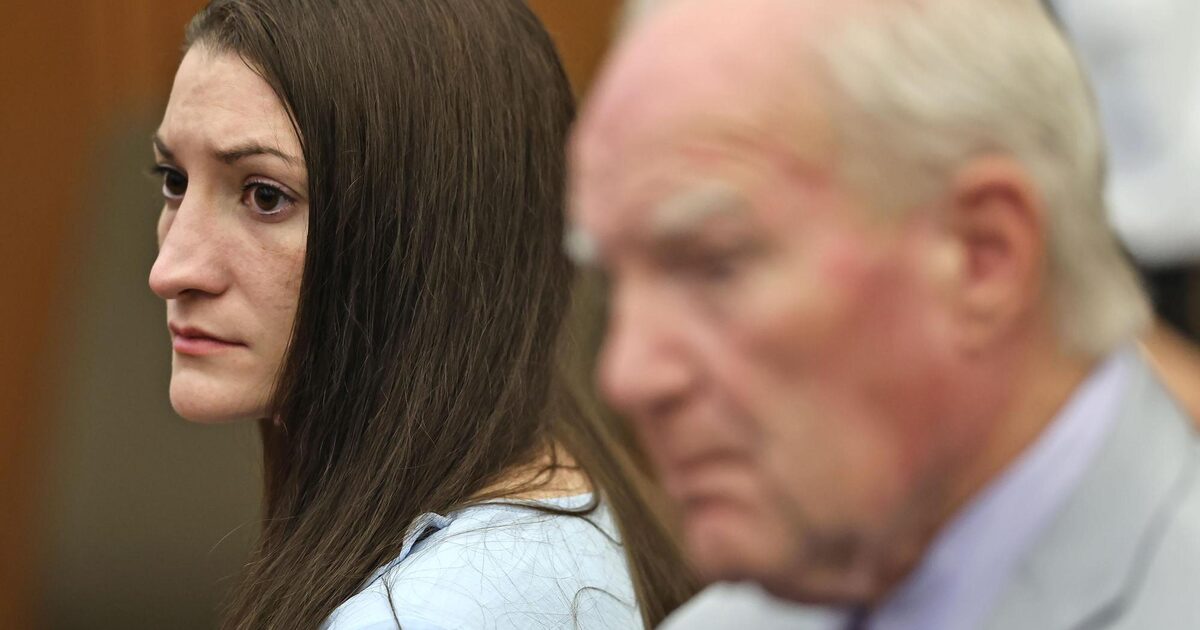
A jury in Plymouth, Massachusetts is reportedly struggling to reach a verdict in the trial of a former labor and delivery nurse accused of killing her three young children in 2023. According to reports, deliberations have stretched into a sixth day, and the jury foreperson allegedly sent the judge a note claiming that one juror was refusing to follow the court's instructions on reasonable doubt.
The defense reportedly asked the judge to remove that juror, but the judge declined and instead brought each juror in individually for questioning before re-reading the reasonable doubt instruction. The jury was sent home and is expected to return to continue deliberating. The defendant does not deny causing her children's deaths but argues, through counsel, that she was suffering from postpartum psychosis at the time. Prosecutors reportedly argue she understood what she was doing.
The trial has drawn heavy public attention, and reports describe sharp public disagreement over how the law should treat severe maternal mental illness in cases like this.
Why It Matters Legally
This case sits at the intersection of several important legal ideas that come up in many courtrooms — not just high-profile ones.
First, there is the question of a deadlocked (or "hung") jury. In criminal cases, a verdict generally must be unanimous. If jurors cannot agree, the judge may eventually declare a mistrial, meaning the case ends without a decision on guilt or innocence.
Second, the case involves a mental health defense. When a defendant argues they lacked criminal responsibility because of a mental illness, the legal question shifts from "did they do it?" to "could they legally be held responsible?" That is a very different inquiry, and it usually depends on dueling expert witnesses.
Third, the reported dispute inside the jury room highlights how carefully judges handle juror conduct issues. Removing a deliberating juror can create grounds for appeal, so judges typically move cautiously.
While this particular case is criminal, the underlying issues — jury dynamics, expert testimony, and the role of mental health evidence — also show up frequently in civil personal injury litigation, where juries decide who is responsible and how much harm was caused.
Who Could Be Affected
Cases like this can matter to a wide range of people, even those with no connection to the parties involved:
- Families dealing with severe postpartum mental illness, who may be watching how the legal system treats conditions like postpartum psychosis.
- Healthcare providers and patients who interact with mental health treatment systems, since expert testimony often turns on what was reasonably known or done before a tragedy.
- Jurors in any serious case, who may wonder what happens if deliberations break down.
- Crime victims' families, who may face uncertainty if a trial ends without a verdict.
- Civil litigants — including personal injury plaintiffs and defendants — because many of the same rules about expert testimony, jury unanimity (in some states), and mistrials apply in civil court, too.
How Cases Like This Generally Work
Although this is a criminal trial, the general shape of a serious contested case — criminal or civil — tends to follow a similar path.
Evidence gathering. Long before trial, both sides typically collect medical records, witness statements, digital evidence, and physical evidence. In cases involving mental health, treatment records and prescription histories often become central.
Expert witnesses. When mental state is at issue, each side generally hires qualified experts — often psychiatrists or psychologists — who evaluate the person and offer opinions. It is common for experts on opposite sides to reach very different conclusions. Juries then have to decide which experts they find more credible.
Jury instructions. Before deliberations, the judge reads the jury a set of instructions describing the legal standards they must apply, such as what "reasonable doubt" means in a criminal case or what "preponderance of the evidence" means in a civil case. Jurors are generally required to follow these instructions even if they personally disagree.
Deliberations. Jurors discuss the evidence privately. If they cannot agree, the judge may give a supplemental instruction encouraging them to keep trying without abandoning honestly held views. If they still cannot agree, the judge may declare a mistrial.
After a mistrial. Prosecutors (or, in a civil case, the plaintiff) generally decide whether to retry the case, drop it, or try to settle. A mistrial is not the same as an acquittal — the defendant has not been found not guilty.
Timelines. Serious cases often take years from incident to verdict. In personal injury matters specifically, most states have deadlines called statutes of limitations — typically ranging from one to several years — that limit how long an injured person has to file a lawsuit.
What to Watch Next
Readers following this story or similar cases may want to keep an eye on several developments:
- Whether a mistrial is declared or the jury eventually reaches a verdict.
- If a mistrial happens, prosecutors' next move — whether to retry the case, negotiate a plea, or drop the charges.
- Any post-trial motions, such as requests to challenge the way jury deliberations were handled.
- Court-ordered mental health evaluations, which can follow certain verdicts and may result in confinement to a psychiatric facility rather than release.
- Broader legal or policy conversations around maternal mental health, since high-profile cases sometimes prompt lawmakers to revisit how the criminal justice system treats postpartum illness.
Frequently Asked Questions
What is a hung jury?
A hung jury generally means the jurors cannot agree on a verdict after serious deliberation. In most criminal cases, the verdict must be unanimous, so even one holdout can prevent a decision. When this happens, the judge may declare a mistrial.
Does a mistrial mean the defendant goes free?
Not necessarily. A mistrial generally means the case ended without a verdict, not that the defendant was found not guilty. Prosecutors may decide to retry the case, offer a plea deal, or drop the charges, depending on the circumstances.
What is postpartum psychosis, and is it a legal defense?
Postpartum psychosis is a rare but severe mental health condition that can affect new mothers and may include hallucinations or delusions. In some states, it can be part of an insanity or diminished-capacity defense, but the legal standards vary widely and generally require expert testimony.
Can someone be committed to a hospital even if they are found not guilty?
Yes, in many states. If a person is acquitted by reason of insanity or a similar mental health defense, a judge may still order confinement in a psychiatric facility if an evaluation finds they could pose a danger. The length of confinement generally depends on ongoing evaluations.
Why can't a judge just remove a juror who disagrees with the others?
Removing a deliberating juror is generally treated as a last resort because it can undermine the fairness of the trial and create strong grounds for appeal. Judges typically only remove jurors for clear misconduct, not simply for disagreeing with other jurors.
Do jury rules apply the same way in personal injury cases?
Not exactly. Civil personal injury cases generally use a lower standard of proof — a "preponderance of the evidence" — and some states allow non-unanimous verdicts in civil trials. Still, many of the same rules about jury instructions, expert testimony, and mistrials apply.
How long do people usually have to file a personal injury lawsuit?
Deadlines vary by state and by the type of claim, but statutes of limitations for personal injury cases often range from about one to six years. Missing the deadline generally means losing the right to sue, so people who believe they may have a claim typically consult an attorney early.
What should someone do if they think a loved one's mental illness led to a legal problem?
This is a highly individual situation, and general news coverage is not a substitute for legal help. People in this situation may want to speak with a licensed attorney in their state and, where appropriate, mental health professionals who can document treatment history.