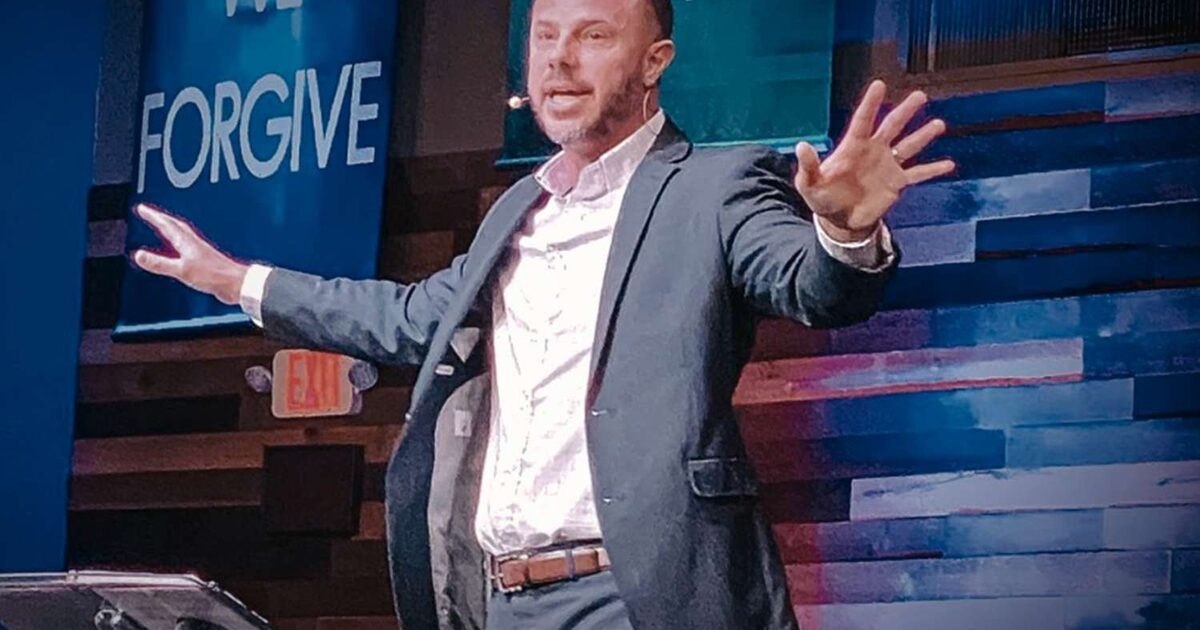
A newly released streaming docuseries has drawn national attention back to the death of a pastor's wife and the federal charges now pending against her husband. Because the story touches on cyberstalking, non-consensual intimate images, alleged domestic abuse, and questions about a church's internal accountability, it raises legal issues that reach far beyond one family. This explainer walks through what the reporting says, what it may mean legally, and how similar cases generally unfold.
What Happened
According to reporting on the docuseries, which was released in late August 2026, the woman at the center of the story reportedly died by suicide in April 2024. She was the second wife of a pastor who leads a church in the Carolinas. The three-episode series features interviews with the woman's family, friends, and members of the church, who describe alleged patterns of controlling behavior, threats involving weapons, an alleged involuntary psychiatric hospitalization, and alleged affairs.
In December 2025, according to reports citing the U.S. Attorney's Office, the pastor was indicted on federal charges of cyberstalking and making false statements to federal investigators. Prosecutors have also alleged that he posted an intimate photograph of his late wife online without her consent. His trial is reportedly scheduled for October. His attorney has declined to comment publicly, and the pastor himself did not participate in the docuseries. None of the allegations described in the series have been proven in court, and he is presumed innocent unless and until a jury finds otherwise.
Why It Matters Legally
This case sits at the intersection of several distinct areas of law. On the criminal side, federal cyberstalking law (18 U.S.C. § 2261A) generally makes it a crime to use electronic communications — texts, social media, email — to harass or intimidate another person across state lines in ways that cause, or are intended to cause, substantial emotional distress or reasonable fear. False statements to federal agents (18 U.S.C. § 1001) is a separate offense that can carry significant prison exposure on its own.
On the civil side, the alleged conduct could implicate laws in most states against non-consensual distribution of intimate images, sometimes called "revenge porn" statutes. It may also raise questions about intentional infliction of emotional distress, wrongful involuntary commitment, and — where a death has followed alleged prolonged abuse — potential wrongful death or survival actions brought by an estate or surviving family members.
Cases like this also draw attention because they highlight how private religious organizations are, and are not, structured to respond to allegations against their leaders. That is generally a matter of internal church governance rather than direct legal regulation, but it can become relevant if civil claims are brought against the institution itself.
Who Could Be Affected
Stories like this one tend to resonate with several groups of people who may have legal options in similar situations:
- Survivors of intimate partner abuse who have experienced threats, coercion, or controlling behavior may have both criminal reporting options and civil remedies, including protective orders.
- People whose intimate images have been shared without consent may generally have civil claims for damages under state statutes, and in many jurisdictions criminal charges are available as well.
- Family members of someone who died after prolonged alleged abuse may, depending on state law, be able to explore wrongful death or survival claims, though these cases are legally and factually complex.
- People who believe they were wrongly hospitalized based on false statements to mental health professionals or law enforcement may have civil claims for false imprisonment or related torts in some states.
- Congregants and employees of religious organizations who report internal misconduct may in some cases have whistleblower or retaliation protections, depending on the setting.
How Cases Like This Generally Work
Criminal and civil cases move on separate tracks, even when they arise from the same underlying facts.
On the criminal side, federal prosecutors generally build cyberstalking cases from digital evidence: text messages, group chats, social media posts, metadata, device forensics, and testimony from people who received or witnessed the communications. Charges of lying to federal investigators typically depend on recorded interviews or agent notes compared against other evidence. The government must prove each element beyond a reasonable doubt, and defendants have the right to a jury trial, to confront witnesses, and to remain silent.
On the civil side, plaintiffs generally must prove their case by a "preponderance of the evidence" — meaning more likely than not — which is a lower bar than the criminal standard. Lawyers looking at a case like this would typically start by identifying who the potential defendants are, whether the statute of limitations has run, and what documentary evidence exists. Text messages, medical records, police reports, and financial records often become central.
Timelines vary widely. Federal criminal trials may be scheduled within roughly a year of indictment, though delays are common. Civil cases can take one to three years or longer to reach resolution, and many settle before trial. When a criminal case is pending, related civil cases are sometimes paused so that the criminal matter can proceed first.
What to Watch Next
Readers following coverage of this story may see several developments over the coming months:
- The scheduled federal trial, including any pretrial motions to exclude evidence, change venue, or dismiss charges.
- Possible superseding indictments if prosecutors add or refine charges based on new evidence.
- Civil filings by the estate or family members, which would appear on state or federal court dockets.
- State-level investigations into any conduct that falls outside federal jurisdiction.
- Any statements from the defense, which so far has reportedly declined public comment.