A recent court ruling out of Massachusetts is drawing attention to a corner of the legal system that most people never see up close: the pretrial hearing where a judge decides whether an accused person will sit in jail — sometimes for months — while the case moves forward. The decision also touches on protective orders, no-contact conditions, and the ways criminal cases and civil family-law tools sometimes intersect.
Here is a plain-English look at what reportedly happened, why lawyers watch cases like this, and how similar matters generally unfold.
What Happened
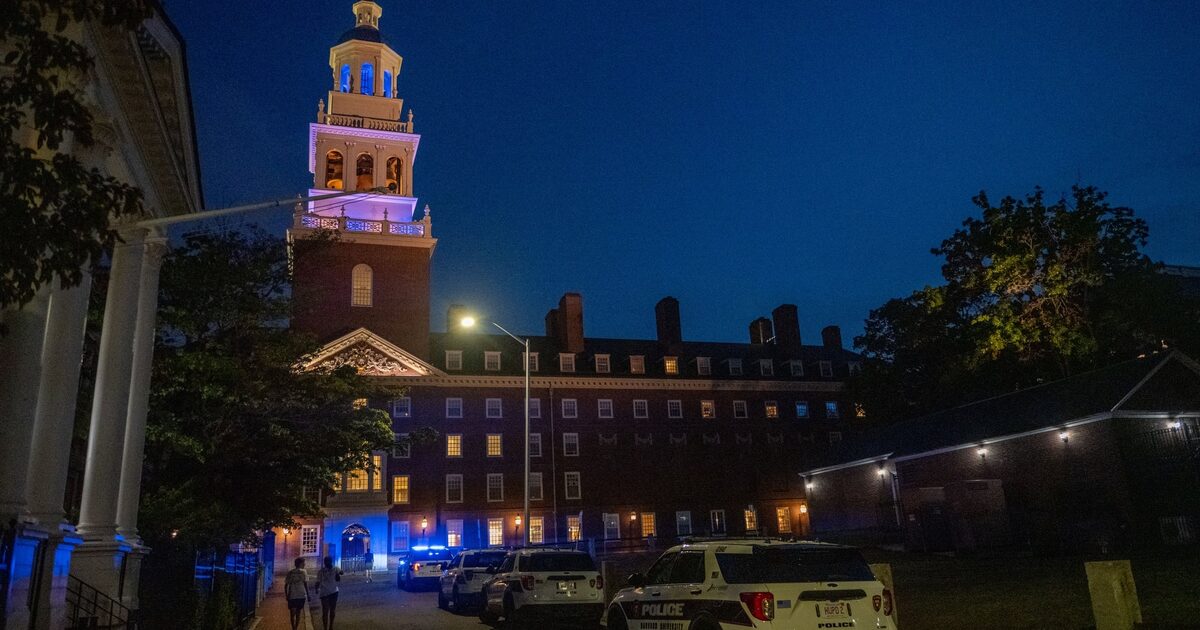
According to reporting from The Harvard Crimson, a 31-year-old man from New Hampshire was ordered held without bail after a district court judge found him too dangerous to release while his case is pending. He faces eight charges tied to three reported incidents that allegedly occurred within about an hour on the same day in May, including alleged assaults on or near the Harvard campus and an incident at an MIT residence hall.
The charges reportedly include kidnapping, indecent assault and battery, witness intimidation, and breaking and entering. The defendant has pleaded not guilty to all counts. Prosecutors reportedly argued that the accused may be experiencing mental health challenges and lacks a stable support plan, and pointed to a prior civil restraining order from another state and a past report from a university in a different state. The defense pushed back, arguing that some of the alleged conduct did not meet the legal threshold for the more serious charges and that the accused has family support and stable work history.
The judge ordered detention for up to 120 days on the witness intimidation charge and imposed pretrial probation with no-contact conditions on the remaining counts. The next scheduled court date is a pretrial hearing in late August.
Why It Matters Legally
Cases like this touch several areas of law at once. On the criminal side, prosecutors must eventually prove each charge beyond a reasonable doubt. But long before a trial, judges may hold a "dangerousness hearing" — a special proceeding, available in some states, where the question is whether the accused should be locked up during the case because release could pose a serious risk to identifiable people or the public.
The case also brushes against family law and civil protection. The prosecution reportedly cited a prior civil restraining order from another state. Protective orders — sometimes called restraining orders, orders of protection, or stay-away orders — are civil tools that a person can seek without waiting for criminal charges. They often live inside the family or domestic-relations side of the court system, even when the parties are not spouses or relatives, because the underlying laws typically cover household members, dating partners, and in some states any person who feels threatened.
For readers, the takeaway is that criminal charges and civil protective orders can run on parallel tracks. One does not have to wait for the other.
Who Could Be Affected
Cases with this shape can affect several groups of people beyond the immediate parties:
- People who feel unsafe from someone they know or a stranger. Civil protective orders are generally available whether or not the police have filed charges.
- Students and residents of dorms or apartment buildings. Universities and landlords may have their own duties around campus safety, access control, and response to reported incidents.
- Family members of someone facing charges. Loved ones often become witnesses to prior conduct, mental health history, or living arrangements — all of which can come up in bail and dangerousness hearings.
- Survivors of prior incidents. Past reports, prior protective orders, and earlier complaints can sometimes surface later, though judges decide how much weight to give them.
How Cases Like This Generally Work
When an incident is reported, the process usually starts on two tracks. On the criminal track, police investigate, prosecutors decide whether to bring charges, and the accused is arraigned. Early on, the defense and prosecution may fight about release conditions — cash bail, home confinement, GPS monitoring, or, in the most serious cases, no release at all.
A dangerousness hearing generally focuses on the nature of the alleged conduct, any pattern of behavior, mental health considerations, ties to the community, and the risk to identified victims or witnesses. Judges typically weigh what conditions, if any, could reasonably protect the public. If nothing short of custody will do, the person may be held for a set period defined by state law.
On the civil protective-order track, a person who feels threatened can generally file a petition on their own, often the same day, describing what happened and what they fear. Courts frequently issue a short-term emergency order and then hold a fuller hearing within a couple of weeks. If granted, protective orders typically prohibit contact, require distance from certain places, and can address issues like firearms, housing, and communication through third parties.
Evidence that tends to matter across both tracks includes surveillance video, building access logs, witness statements, text messages, medical records, and any documented history of prior incidents. Timelines vary widely by state and by court, but many protective-order cases move in weeks while criminal cases can take many months or longer.
A lawyer looking at a case like this would generally start by mapping the parallel tracks, identifying deadlines for each, and thinking about how statements made in one proceeding could affect the other.
What to Watch Next
Readers following this or similar cases can generally expect a few developments in the coming months:
- Additional pretrial hearings where the defense may try to reduce or dismiss specific charges.
- Rulings on evidence — including whether prior out-of-state incidents can be considered at any stage.
- Possible plea discussions or, alternatively, a trial date being set.
- Any civil filings by people who say they were harmed, which can include petitions for protective orders or lawsuits for damages.
- Institutional responses from universities or property owners, such as updated security policies, though these do not always become public.