What Happened
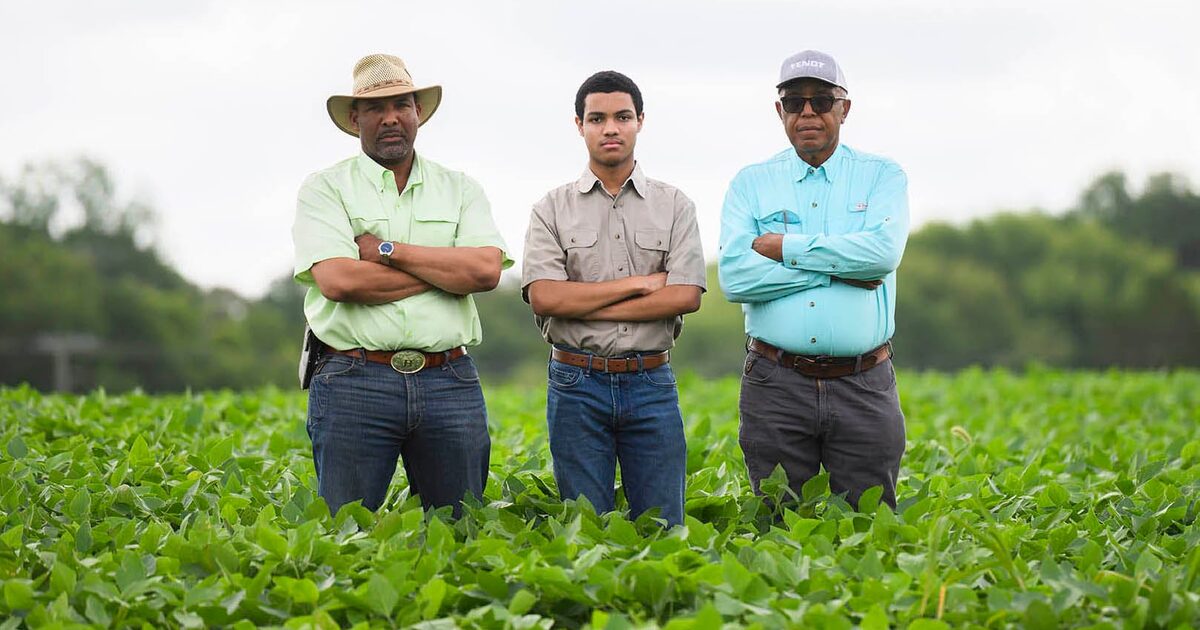
A recently published long-form report profiles a fifth-generation Black row crop farmer working land in Virginia and Arkansas, and uses his story to revisit a much larger question: why Black farmers make up such a small share of American agriculture today. According to the report, Black farmers now account for roughly 1.4 percent of U.S. farmers, down from about 14 percent a century ago, and Black-owned farmland has shrunk by an estimated 90 percent over the twentieth century.
The article ties that decline to a long-documented pattern of alleged discrimination by the U.S. Department of Agriculture (USDA), including reportedly delayed or denied loans, aggressive debt collection, and foreclosures that stripped families of land. It also raises concerns about recent federal policy shifts — including tariffs and the reported scrapping of certain USDA equity programs — that some farmers say are making an already difficult financial environment worse.
We are not evaluating any specific claim against any specific official or agency. Instead, this piece explains, in plain English, how debt, foreclosure, and bankruptcy law generally intersect with farm operations — and why cases like the ones described in the report matter beyond agriculture.
Why It Matters Legally
Farming is one of the most credit-dependent businesses in America. Seeds, fertilizer, fuel, equipment, irrigation, and land itself are typically financed through operating loans, mortgages, and equipment loans. When a lender — including a government lender like the USDA's Farm Service Agency — allegedly delays a loan approval past planting season, the practical result can be a lost crop year, missed payments, and eventually default.
That is where bankruptcy law enters the picture. When a farm operation cannot pay its debts, it may face foreclosure on land, repossession of equipment, or forced liquidation. Bankruptcy is the federal legal system that generally governs how those debts get restructured or discharged, and how creditors get paid. For farmers specifically, Congress created Chapter 12 of the Bankruptcy Code, a specialized process designed to give family farmers and fishermen a realistic chance to reorganize debt while continuing to operate.
Cases like those described in the report also touch on civil rights law, administrative law, and contract law — but the bankruptcy angle is often where the financial survival of the farm is actually decided.
Who Could Be Affected
While the reported story centers on Black farmers in the Deep South and mid-South, the general legal issues can affect a wide range of people:
- Family farmers and ranchers who rely on annual operating loans and may face foreclosure if credit is delayed or denied.
- Heirs to farmland who inherit property with unclear title (sometimes called "heirs' property"), which can complicate borrowing and make land more vulnerable to forced sale.
- Small business owners in other credit-dependent industries who allege discriminatory lending practices.
- Rural homeowners whose mortgages are tied to farm income.
- Employees and contractors on farms that shut down, who may become unsecured creditors in a bankruptcy case.
How Cases Like This Generally Work
When a farm operation gets into serious financial trouble, several legal tracks may run in parallel.
1. Loan servicing and administrative appeals. Before bankruptcy, borrowers generally have rights to request loan restructuring, deferrals, or write-downs from lenders. Federal farm borrowers may also have administrative appeal rights within the USDA. Missing these deadlines can limit later options.
2. Foreclosure defense. State law generally governs how foreclosure proceeds — whether through the courts or through a nonjudicial process. Timelines, notice requirements, and rights to cure the default vary widely by state. In states like Mississippi, Arkansas, Virginia, Florida, Oregon, Texas, and Massachusetts, the procedures can look quite different from one another.
3. Chapter 12 bankruptcy. This is the farm-specific reorganization chapter. It generally allows eligible family farmers to propose a repayment plan over three to five years, potentially reduce secured debts to the current value of the collateral, and keep operating. There are debt limits and income tests to qualify.
4. Chapter 11 or Chapter 7. Larger operations that exceed Chapter 12 limits may reorganize under Chapter 11. Farms that cannot be saved may liquidate under Chapter 7, though special protections apply — for example, federal law generally limits the ability to force a farmer into an involuntary Chapter 7.
5. Discrimination and civil rights claims. Separately from bankruptcy, borrowers who believe they were treated unfairly on the basis of race, sex, or other protected characteristics may have claims under civil rights statutes or through settlement programs. These claims have their own strict deadlines and evidence requirements.
What evidence generally matters most? Loan applications and denial letters, dates of approval versus planting season, communications with loan officers, appraisals, payment histories, and any documentation showing how similarly situated borrowers were treated.
What to Watch Next
Readers following this story or similar farm-finance stories may want to watch for:
- Federal court filings, including any new Chapter 12 bankruptcy petitions or challenges to foreclosure actions.
- USDA policy announcements, especially about loan servicing, debt relief, or equity-focused programs that have reportedly been scaled back or eliminated.
- Class action or group litigation by farmers alleging discriminatory lending or debt collection.
- Congressional oversight hearings on farm credit and USDA operations.
- State attorney general activity in states with large agricultural sectors.
- Settlement funds or claims processes, which historically have followed major USDA discrimination findings.
Frequently Asked Questions
Q: What is Chapter 12 bankruptcy, and how is it different from other kinds?
A: Chapter 12 is a section of the U.S. Bankruptcy Code created specifically for family farmers and family fishermen. It generally allows eligible filers to reorganize debts over three to five years while continuing to operate, and it tends to offer more flexibility than Chapter 11 or Chapter 13 for agricultural income patterns.
Q: Can a farmer file bankruptcy to stop a foreclosure?
A: Generally, filing any bankruptcy case triggers what is called an automatic stay, which typically pauses most collection actions, including foreclosure sales. Whether that pause becomes a long-term solution depends on the farmer's ability to propose a workable repayment plan and on the specific facts of the case.
Q: What is "heirs' property" and why does it matter?
A: Heirs' property generally refers to land inherited without a clear will or title, so multiple family members hold undivided shares. It can make borrowing against the land difficult and may leave the property more vulnerable to forced sale, which has historically been a factor in Black land loss according to numerous reports.
Q: If a government agency delayed my loan, do I automatically have a legal claim?
A: Not automatically. Whether a delay could support a legal claim generally depends on the reason for the delay, applicable rules, deadlines, and evidence of harm. Administrative appeal processes and civil rights complaints each have their own strict timelines that may be shorter than people expect.
Q: Does bankruptcy erase all farm debts?
A: Generally, no. Some debts — like certain taxes, student loans, and domestic support obligations — are typically harder to discharge. Secured debts, such as mortgages on farmland, are usually restructured rather than erased, and the farmer generally must keep making payments to keep the collateral.
Q: How long do bankruptcy protections generally last for a farm?
A: A Chapter 12 plan typically runs three years and can extend up to five with court approval. The automatic stay generally lasts throughout the case, but creditors can ask the court to lift it in certain circumstances, such as when collateral is not being adequately protected.
Q: What should a farmer facing default generally do first?
A: While every situation is different, it is generally wise to gather all loan documents, note any deadlines on foreclosure or collection notices, and consult a qualified attorney or accredited financial counselor before missing appeal or response windows. This article is educational and not legal advice for any specific situation.