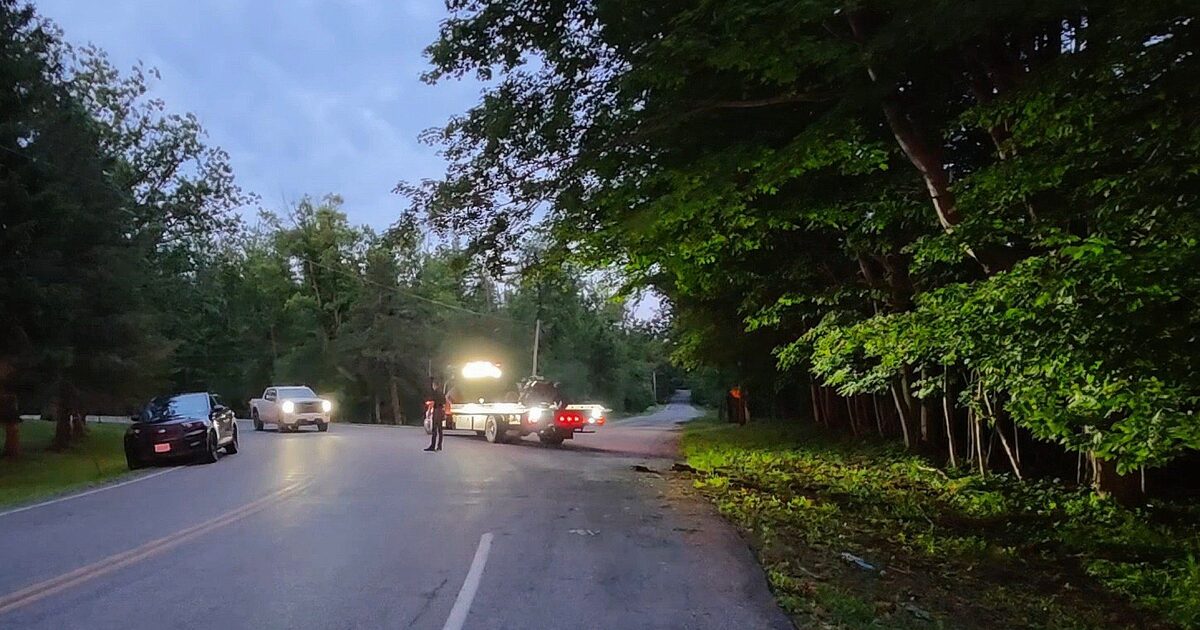
What Happened
According to local reporting, a 23-year-old rider from the Batavia area was killed on a Saturday evening in June after the ATV he was operating left the road and struck a tree in the Town of Pembroke, in Genesee County, New York. Deputies with the Genesee County Sheriff's Office reportedly responded to Ellinwood Road around 7 p.m. after a call came in about the crash.
Investigators have said the rider was heading northbound and appeared to lose control while navigating a curve, at which point the ATV allegedly left the roadway. The rider was reportedly ejected on impact. Emergency responders attempted lifesaving measures, but he was pronounced dead at the scene. The Sheriff's Office is reportedly continuing to investigate.
No criminal charges or civil lawsuits have been announced in connection with the crash, and nothing in the current reporting establishes fault by any person, company, or property owner.
Why It Matters Legally
Single-vehicle ATV crashes may look, at first glance, like tragic accidents with no legal dimension. In practice, they can touch several areas of law at once.
- Wrongful death law. In New York, when someone dies because of another party's negligent or wrongful act, their estate may generally bring a wrongful death claim for economic losses to surviving family members, along with a survival claim for the decedent's pre-death pain and suffering.
- Product liability. ATVs are complex machines. If a defect in the steering, brakes, throttle, tires, or roll structure contributed to a crash, the manufacturer or a component supplier could potentially face a claim.
- Premises and roadway liability. Where a crash happens on private land, a hunting club property, or a poorly maintained road, questions may arise about signage, surface conditions, hidden hazards, or who owed a duty to keep the area reasonably safe.
- Insurance coverage. ATV coverage is often separate from standard auto policies. Whether a homeowner's, recreational vehicle, or specialty policy applies can significantly affect what a family recovers.
Who Could Be Affected
Even when the specific facts of one incident are unique, the categories of people who typically have legal questions after a similar event include:
- Surviving family members of someone killed in an ATV, dirt bike, or side-by-side crash, who may be considering a wrongful death claim.
- Injured riders and passengers who survived a crash but face long-term medical costs, lost wages, or disability.
- Property owners who allowed guests to ride on their land and are now facing questions about their own exposure.
- Employees or contractors hurt while operating an ATV for work, such as farm hands, ranchers, utility workers, or land surveyors, who may be looking at workers' compensation as well as third-party claims.
- Consumers who own the same make and model of ATV involved in a serious crash and want to know whether recalls or defect investigations exist.
How Cases Like This Generally Work
Every case turns on its own facts, but a personal injury or wrongful death matter arising from an ATV crash usually follows a recognizable pattern.
1. Preserving the vehicle and the scene. The ATV itself is typically the single most important piece of evidence. Attorneys often ask that the machine be preserved in its post-crash condition so an engineer can inspect the brakes, throttle, steering linkage, and tires. Photographs of skid marks, terrain, and the tree or other object struck can also matter.
2. Gathering official records. Sheriff's office reports, 911 audio, EMS run sheets, autopsy or medical examiner findings, and toxicology results generally form the backbone of the early investigation. In New York, these records are usually obtainable through formal requests, though timing varies.
3. Identifying possible defendants. Depending on what the evidence shows, potential defendants may include an ATV manufacturer, a dealer that performed recent service, a component maker, a landowner, a road authority, or another rider. A single crash can have more than one contributing cause.
4. Analyzing New York's comparative fault rules. New York follows a "pure comparative negligence" system. That generally means a jury can assign a percentage of fault to the injured rider, and any recovery is reduced by that percentage — but the claim is not automatically barred, even if the rider is found mostly at fault.
5. Filing within the deadline. New York's statute of limitations for most personal injury claims is generally three years from the date of injury. Wrongful death claims must typically be filed within two years of death. Claims against government entities usually require a notice of claim within 90 days, which is a much shorter fuse.
6. Damages. In a fatal case, recoverable damages may generally include medical and funeral costs, the economic value of lost support and services to family members, and, under a survival claim, conscious pain and suffering before death.
What to Watch Next
In the days and weeks after a crash like this, follow-up reporting or public records may reveal:
- The final Sheriff's Office report and any reconstruction findings.
- Autopsy and toxicology results, which can influence both criminal and civil analysis.
- Whether the manufacturer of the ATV has any open recalls or defect investigations on the model involved.
- Any civil filings by the estate, which would appear on New York's court dockets.
- Statements from state or federal safety agencies, such as the Consumer Product Safety Commission, if a pattern of similar incidents emerges.
Frequently Asked Questions
Can a family sue after a single-vehicle ATV crash where no other driver was involved?
Generally, yes — if the evidence points to a defective vehicle, a hazardous property, a poorly designed roadway, or another responsible party. A single-vehicle crash does not automatically mean no one else may be legally responsible. An attorney typically needs to inspect the ATV and the scene before answering.What is a wrongful death claim in New York?
A wrongful death claim is generally a civil case brought by the personal representative of someone who died because of another party's negligence or wrongful act. In New York, it can recover economic losses to surviving family members, such as lost financial support and funeral costs. It is separate from any criminal case.How long does a family have to file a wrongful death case in New York?
New York's wrongful death statute of limitations is generally two years from the date of death, though certain circumstances can shorten or extend it. Claims against a municipality or government agency usually require a notice of claim within 90 days. Because deadlines vary, families are typically advised to consult counsel early.Are ATV manufacturers ever held responsible for crashes?
They can be, in the right circumstances. If a defect in design, manufacturing, or warnings is alleged to have contributed to the crash, the manufacturer or a parts supplier may face a product liability claim. These cases generally require expert engineering analysis and preservation of the ATV in its post-crash condition.Does not wearing a helmet defeat a claim?
Not automatically. Under New York's pure comparative negligence rule, a jury may reduce a recovery based on a rider's own conduct, including choices about protective gear, but the claim is generally not barred outright. How much a helmet would have changed the outcome is often a fact-specific, expert-driven question.What if the crash happened on someone else's private property?
If a landowner allowed the riding, questions may arise about the condition of the land, hidden hazards, and any warnings that were given. New York has laws that can limit a landowner's liability to recreational users in certain situations, so outcomes vary. A lawyer would generally examine both the property and the circumstances of the invitation.What evidence should a family try to preserve after a fatal ATV crash?
Generally, families should try to keep the ATV itself untouched, save any helmet or gear worn by the rider, and gather photos, videos, and witness contact information. Official records like the police report, 911 calls, and medical examiner findings can typically be requested later. Preservation letters from an attorney can help prevent evidence from being altered or discarded.Is this different from a regular car accident case?
Yes, in several ways. ATVs are generally not covered by standard auto insurance, they are often used on private land rather than public roads, and specific state laws govern their registration and operation. The legal analysis may involve product, premises, and recreational-use statutes that do not usually come up in a routine car crash.---