What Happened
According to recent reporting, the rapid rollout of artificial intelligence data centers across the United States is running into significant public pushback, and political leaders in both parties are reportedly responding with pauses, moratoriums, and new restrictions.
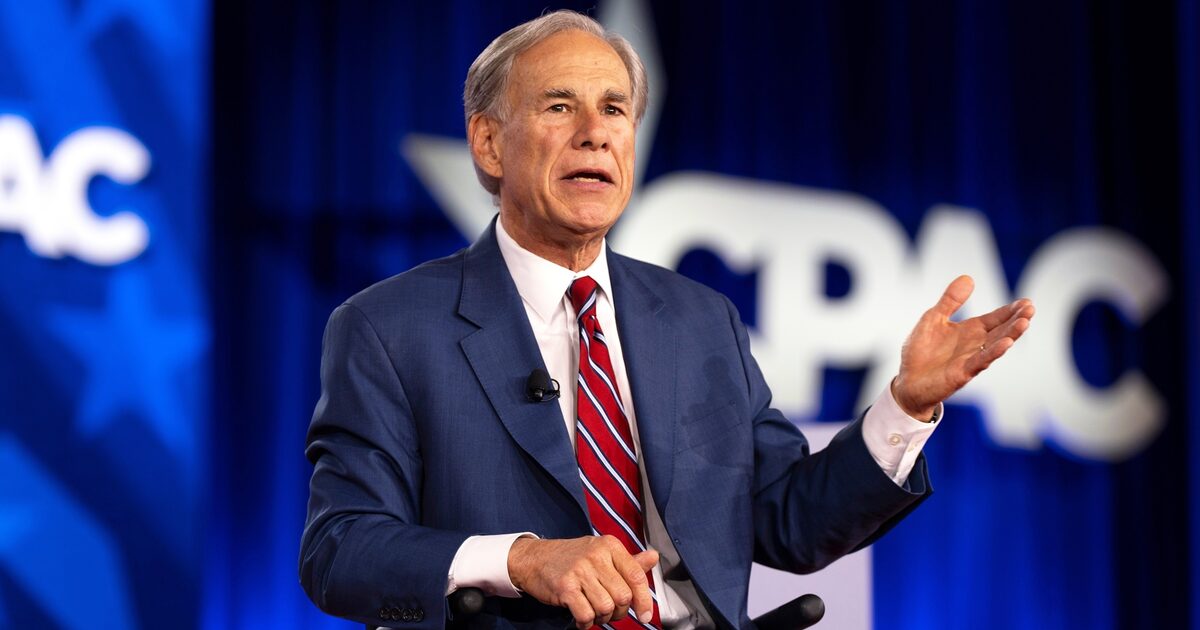
Texas Governor Greg Abbott is reported to have said he has pressed pause on new data center approvals in his state, which had previously been described as a hub for AI development. In Pennsylvania, the governor reportedly imposed new restrictions this week and criticized tax breaks he described as unfair to local communities. In Michigan, a U.S. Senate candidate reportedly came out in support of a one-year moratorium on new data centers. Florida's governor has reportedly questioned taxpayer subsidies for large tech projects, and a private memo from a national Republican campaign committee reportedly warned that data center controversies could hurt the party in a key Ohio race.
At the local level, ABC News reported that hundreds of residents in a rural Missouri county packed a town hall for roughly 13 hours to protest two proposed data centers. Similar fights are reportedly playing out from coast to coast, with residents raising concerns about utility bills, water use, farmland, and quality of life.
None of these disputes has, on its own, produced a definitive court ruling that resolves the broader legal questions. But the trend lines matter for anyone whose business, property, or livelihood could be touched by these projects.
Why It Matters Legally
AI data centers sit at the intersection of several bodies of law. On the business and corporate law side, these projects usually involve layered contracts: land purchase or lease agreements, construction contracts, power purchase agreements with utilities, tax abatement deals with local or state governments, and long-term service contracts with tech companies. When a state or county suddenly hits pause, all of those contracts can come under stress.
That is where business litigation typically enters the picture. Developers may argue that they relied on promised approvals, permits, or incentives, and that changing the rules mid-stream could give rise to breach of contract, promissory estoppel, or regulatory takings claims. Local governments and states, in turn, generally argue they have broad authority to regulate land use, utilities, and public resources.
Utility law is another pressure point. Data centers consume enormous amounts of electricity and water. When rate increases are proposed to fund new infrastructure, public utility commissions typically hold hearings, and consumer advocates, industrial customers, and municipalities can all weigh in. Decisions there may be challenged in court.
Finally, environmental and zoning laws often shape whether a project even breaks ground. Neighbors sometimes sue to challenge permits, environmental reviews, or zoning changes.
Who Could Be Affected
A wide range of people and businesses may find themselves with legal questions as this backlash spreads:
- Developers and tech companies that have already signed contracts, purchased land, or begun construction, and now face possible delays or cancellations.
- Landowners who leased or sold property in reliance on a project moving forward.
- Contractors, subcontractors, and suppliers whose work orders may be paused or terminated.
- Small businesses and residents in surrounding areas who could see higher electricity or water rates, or who may want to participate in utility rate cases.
- Local governments balancing promised jobs and tax revenue against community opposition and infrastructure strain.
- Investors and shareholders in companies whose valuations may shift based on regulatory risk.
How Cases Like This Generally Work
Business disputes tied to large infrastructure projects generally follow a recognizable arc, though every case is different.
First, lawyers typically look at the contracts. They ask what promises were made, in writing, and what conditions were attached. Many development agreements contain clauses addressing changes in law, force majeure, or government action, and those clauses often decide who bears the risk when a project is delayed or halted.
Second, attorneys generally examine the sequence of government actions. Did a permit get issued and then revoked? Was a tax abatement approved and then rescinded? Were public statements made that a company reasonably relied on? These facts can matter for claims like promissory estoppel or, in some cases, constitutional arguments that a regulation went too far.
Third, evidence tends to include emails, meeting minutes, board resolutions, engineering studies, utility filings, and public statements. Depositions of officials, developers, and community stakeholders are common in larger disputes.
Fourth, timelines vary widely. Business litigation can take months or years, and administrative challenges before utility commissions or zoning boards often move on separate tracks. Statutes of limitations differ by state and by claim, so timing questions are usually among the first things a lawyer would evaluate.
Many of these matters settle before trial, sometimes with revised project terms, community benefits agreements, or negotiated exits. Others produce published decisions that shape the field going forward.
What to Watch Next
Readers following this story may want to keep an eye on several developments in the coming months:
- Whether state-level pauses become formal moratoriums through executive orders, legislation, or agency rules.
- Lawsuits filed by developers challenging sudden policy shifts, or by residents challenging approvals that already went through.
- Public utility commission proceedings addressing how the costs of new power infrastructure should be allocated between data center customers and ordinary ratepayers.
- Local ballot measures and zoning fights that could set precedents for other communities.
- Federal-level responses, including any guidance from energy or environmental agencies.
- Corporate disclosures from major tech companies acknowledging regulatory risk tied to data center expansion.
Frequently Asked Questions
Can a state legally pause approvals for data centers that are already in progress?
States generally have broad authority to regulate land use, permitting, and utilities within their borders. However, if a project already has vested rights under existing approvals or a signed contract with a government entity, a sudden pause could raise legal questions. The specific answer generally depends on state law and the facts of each project.
What kinds of contracts are typically involved in a data center project?
Projects of this scale typically involve land agreements, construction contracts, power purchase agreements, water service agreements, tax incentive or abatement deals, and long-term customer contracts with the tech companies that will use the facility. Each contract may include its own dispute-resolution and termination terms.
Could a developer sue a state or county for changing the rules?
It is possible. Developers may argue breach of contract, promissory estoppel, or, in some situations, that a regulatory change amounts to a taking of property. Whether any such claim would succeed generally depends on the specific facts, the language of any agreements, and applicable state and federal law.
Do residents have a legal way to challenge a data center in their community?
Residents can often participate in zoning hearings, environmental reviews, and utility rate cases. In some circumstances, they may also have standing to file lawsuits challenging permits or approvals. Rules on standing and procedure vary by state and locality.
How might data centers affect my utility bill?
Large new electricity or water users can strain existing infrastructure, and utilities sometimes seek rate increases to fund upgrades. Public utility commissions generally decide how those costs are allocated. Residents may be able to comment or intervene in rate proceedings.
Are tax breaks for data centers legally binding once approved?
Tax abatements and incentives are usually governed by specific agreements and statutes. Whether they can be revoked or modified generally depends on the terms of the deal and the state's law on legislative or administrative authority. Retroactive changes tend to face closer legal scrutiny than prospective ones.
What should a business do if its contract is tied to a paused project?
As a general matter, businesses in that position often review their contracts carefully, document any losses, preserve communications, and consult qualified counsel before taking action. Force majeure, change-in-law, and termination provisions typically play a central role in the analysis.
Is this issue likely to reach the courts soon?
Given the scale of investment involved and the speed of recent policy shifts, litigation in some form is generally considered likely. Whether disputes end up in court, in arbitration, or in negotiated settlements will depend on the parties and the specifics of each project.