What Happened
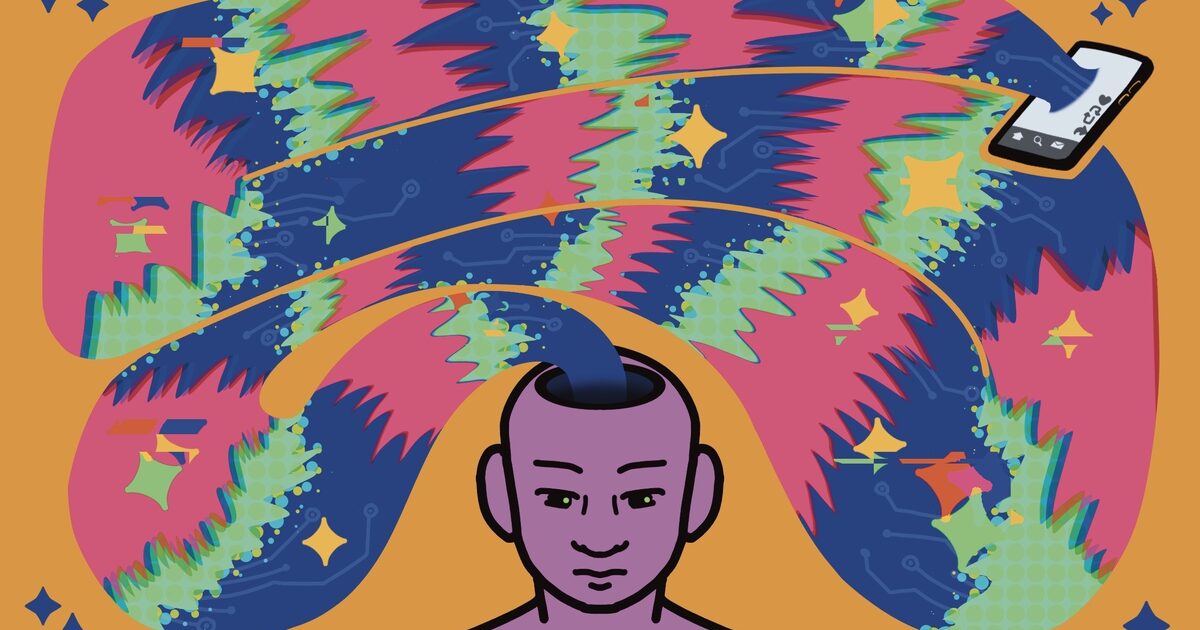
A recent opinion piece published by a university newspaper argues that generative artificial intelligence is reshaping — and, in the writer's view, harming — creative industries such as journalism, publishing, music, and video. The commentary cites research suggesting that AI-generated or AI-assisted material now makes up a significant slice of online content, reportedly including a meaningful percentage of U.S. newspaper text, a majority of certain categories of self-published books, roughly 40% of music released in a recent month, and more than a billion labeled AI videos on a single short-video platform.
The piece also highlights the legal front. It references a class-action settlement in which a major AI developer reportedly agreed to pay authors $1.5 billion over allegations that pirated books were used to train its chatbot. It further notes that more than 90 lawsuits from writers, musicians, visual artists, and news publishers are said to be pending against various AI companies.
While the article itself is opinion, the underlying facts it points to — a surge in AI-generated content and a wave of litigation — are worth unpacking for anyone whose work, business, or paycheck touches the creative economy.
Why It Matters Legally
AI and creative work sit at the intersection of several fast-moving legal areas. Copyright law is the most obvious. Training a generative model generally involves ingesting huge volumes of text, images, audio, or video. When that material was created by humans and protected by copyright, questions arise about whether ingestion, storage, and output constitute infringement, or whether they fall under doctrines like fair use.
Business and corporate law is also implicated. Companies that license content, sign talent, or publish creative work may face contract disputes over whether AI use was permitted, whether royalties are owed, and whether representations about "original" content are accurate. Unfair competition and false advertising claims may arise when AI output is marketed in ways that allegedly mislead consumers or displace human labor under questionable terms.
Other areas potentially in play include trademark, right of publicity (for AI-generated likenesses or voices), trade secret law (when proprietary material is fed into third-party tools), and emerging state and federal disclosure rules for AI-generated media.
Who Could Be Affected
A broad set of people and organizations may have legal exposure — or potential claims — as AI continues to spread through creative markets. In general terms, this can include:
- Individual creators such as authors, illustrators, photographers, musicians, and voice actors whose work may have been used to train models without a license.
- News publishers and media companies whose archives may have been scraped, and who may also be publishing AI-assisted content that raises its own disclosure questions.
- Studios, labels, and agencies navigating contracts that predate widespread AI use and may not clearly address it.
- Businesses using AI tools to generate marketing copy, images, or code, which could face downstream infringement or contract claims tied to outputs.
- AI developers and platforms facing class actions, regulatory scrutiny, and shareholder questions about training practices.
- Educational and research institutions that partner with AI firms and may face policy, contract, or intellectual-property disputes.
How Cases Like This Generally Work
AI-related business litigation is still developing, but several patterns have emerged. Copyright cases against AI developers typically start with plaintiffs alleging that their protected works were copied — often at scale — to build training datasets. Plaintiffs generally must show they own valid copyrights and that the defendant used the works in a way the law does not permit. Defendants often respond with fair-use arguments, licensing defenses, or challenges to how the plaintiff class is defined.
Evidence in these cases can be technical. Lawyers generally look at internal communications about dataset sourcing, records of what material was scraped or purchased, model outputs that may reproduce protected content, and expert analysis of how training and inference actually work. Class certification is a major battleground because it determines whether thousands of creators can proceed together or must sue individually.
Business disputes — as opposed to author-versus-AI-company cases — often turn on contract language. A publishing, licensing, or employment agreement written before 2023 may not address AI at all, and courts may be asked to interpret ambiguous terms. Timelines vary widely. Copyright infringement claims in the U.S. generally have a three-year statute of limitations from the date the claim accrues, while breach-of-contract deadlines depend on state law and the type of agreement. Complex commercial cases can take years to resolve, and many end in settlement rather than a jury verdict.
Regulators may also play a role. Agencies focused on consumer protection, competition, and labor could open investigations that run in parallel with private suits.
What to Watch Next
Readers following this space may see several kinds of developments in coming months:
- New filings and rulings in pending cases brought by authors, artists, musicians, and publishers against major AI developers.
- Class certification decisions that could dramatically expand or narrow who is included in a lawsuit.
- Settlements and licensing deals between AI firms and content owners, which may set informal market rates for training data.
- Court opinions on fair use as applied to AI training, which are expected to be influential far beyond the specific cases.
- State legislation on AI disclosure, deepfakes, and publicity rights, particularly in states with large creative industries.
- Federal guidance or rulemaking from agencies overseeing copyright, consumer protection, and competition.
- Corporate policy shifts at universities, publishers, and studios about how AI can be used and disclosed.